UN Commission on the Status of Women delivers a blueprint to ensure the rights and development of rural women and girls
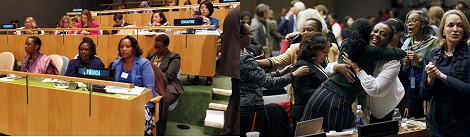
 Hon. Minister Nyirasafari Espérance participating in the CSW62
The Executive Director of UN Women, which serves as the CSW Secretariat, Phumzile Mlambo-Ngcuka, said: “The Commission's agreement on measures to bring substantive equality to women and girls in rural areas is a vital step forward. In the Commission's two weeks of dialogue we have heard clearly from the women and girls themselves what they want: from the rights to own property, to the need for quality infrastructure, to the rights to make decisions about their own bodies and lives. Effective action to bring the changes they need will take the continued engagement of all partners, from governments to civil society. Rural women themselves must be able to speak up and be heard in all consultations, and youth delegations must be included at all levels. These agreements are made in the meeting rooms of New York but must take effect in the lives of women and girls we are here to serve." CSW is the single largest forum for UN Member States, civil society organizations and other international actors to build consensus and commitment on policy actions on this issue. More than 4,300 representatives from over 600 civil society organizations, and 170 Member States attended this year’s Commission. These figures represent a steady increase from previous year’s participation showing a growing strength and unity of women’s voices around the world, and showcase the potential for civil society to leverage the agreed conclusions in their mission to hold governments accountable.
 Participants at the 62nd session of the UN Commission on the Status of Women celebrate the adoption of CSW62 Agreed Conclusions Photo: UN Women/Ryan Brown
Member States expressed deep concern about the increasing challenges that are exacerbating the disadvantages and inequalities that rural women and girls face – from humanitarian emergencies and armed conflicts to the adverse impacts of climate change. In its final agreement, the Commission emphasized that rural women and girls are essential to sustainable development, and their rights and empowerment needs to be prioritized. A broad range of concrete next steps and recommendations were outlined in the Agreed Conclusions.
They include:
Participants at the 62nd session of the UN Commission on the Status of Women celebrate the adoption of CSW62 Agreed Conclusions Photo: UN Women/Ryan Brown
Member States expressed deep concern about the increasing challenges that are exacerbating the disadvantages and inequalities that rural women and girls face – from humanitarian emergencies and armed conflicts to the adverse impacts of climate change. In its final agreement, the Commission emphasized that rural women and girls are essential to sustainable development, and their rights and empowerment needs to be prioritized. A broad range of concrete next steps and recommendations were outlined in the Agreed Conclusions.
They include:
- Adoption of reforms to eliminate discriminatory laws and norms for women to have equal access to economic and productive resources, including land and natural resources, property and inheritance rights.
- Step up progress towards strong educational environments at all levels including closing gender gaps in secondary and tertiary education in rural areas.
- Provision of quality social services, and care services, to reduce the disproportionate share of unpaid care and domestic work of rural women and girls.
- Ensuring rural women have access to decent jobs with equal pay for work of equal value, and that they participate equally in all decisions, from households to community forums.
- Increasing essential rural infrastructure and technology, which typically reach rural women last, by providing access to, for instance, safe drinking water, a clean stove, sanitation facilities and connectivity.
- Stepping up investments to ensure their food security and nutrition and the increased financial inclusion and access to financial services of women farmers.
- Provision of universal health coverage, and realizing the need for women and girls in rural areas to manage and exercise their sexual and reproductive health.
- Accelerate action to end all forms of violence against women, including harmful practices such as child marriage and female genital mutilation
Topics

MIGEPROF calls for stronger home-school partnerships to support holistic child development
Kigali, 7 July 2026 - The Permanent Secretary Mireille BATAMULIZA, joined parents, educators, child development practitioners, and partners at the…

Minister Consolée Uwimana inaugurates Early Childhood Development Centre at Mutobo and calls for child protection
Kigali, 3 July 2026 – Minister of Gender and Family Promotion, Consolée Uwimana, officially inaugurated the Early Childhood Development (ECD) Centre…

MIGEPROF Calls on youth to take action in preventing and ending eeenage pregnancy
Kigali, 26 June - Youth representatives from all districts across Rwanda gathered in a Youth Forum to discuss strategies for preventing and ending…

MIGEPROF and partners intensify national campaign to prevent child defilement in Rulindo and Musanze Districts
Kigali, 19 June 2026 – As part of the nationwide campaign to prevent and combat child defilement, running from 25 May to 30 June 2026, the Ministry of…
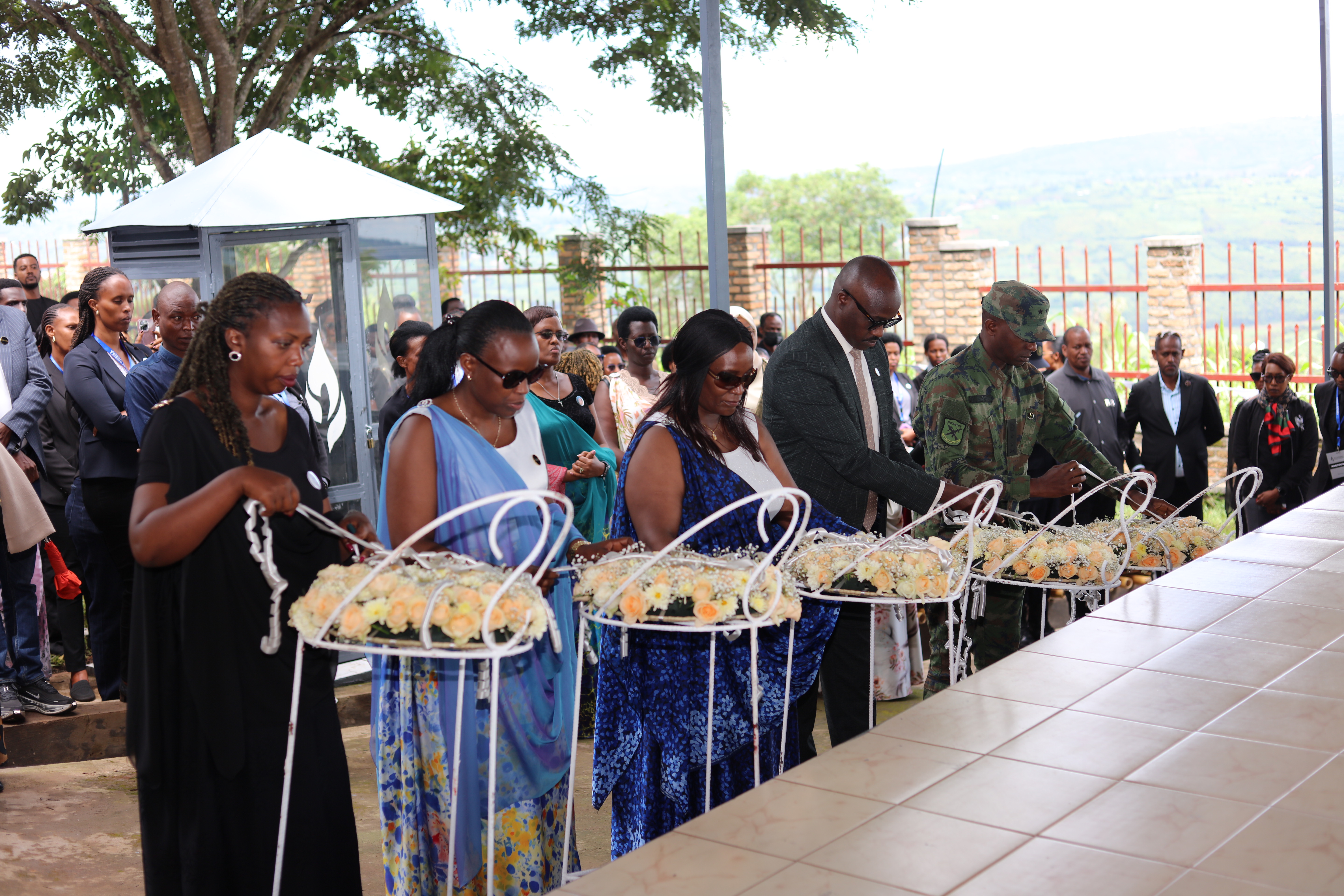
Minister Uwimana calls on citizens to fight genocide ideology
On 18 April 2026, Minister of Gender and Family Promotion, Hon. Consolée Uwimana, joined residents of Mwulire Sector in Rwamagana District for the…
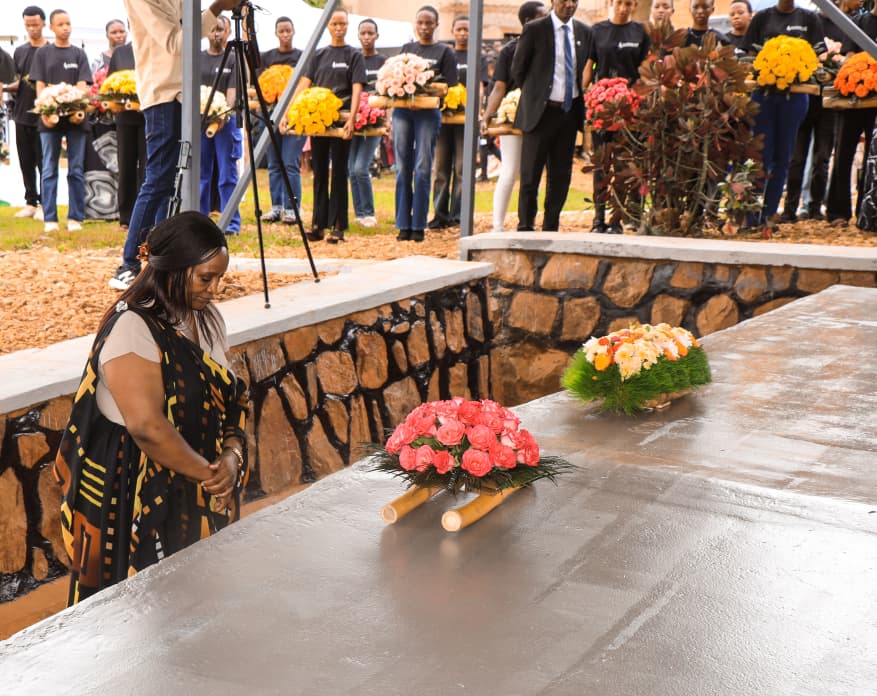
Minister Uwimana urges youth to reject genocide ideology and protect Rwanda’s unity
On 11 April 2026, Minister of Gender and Family Promotion, Hon. Consolée Uwimana, joined residents of Muyumbu Sector in Rwamagana District for the 32n…
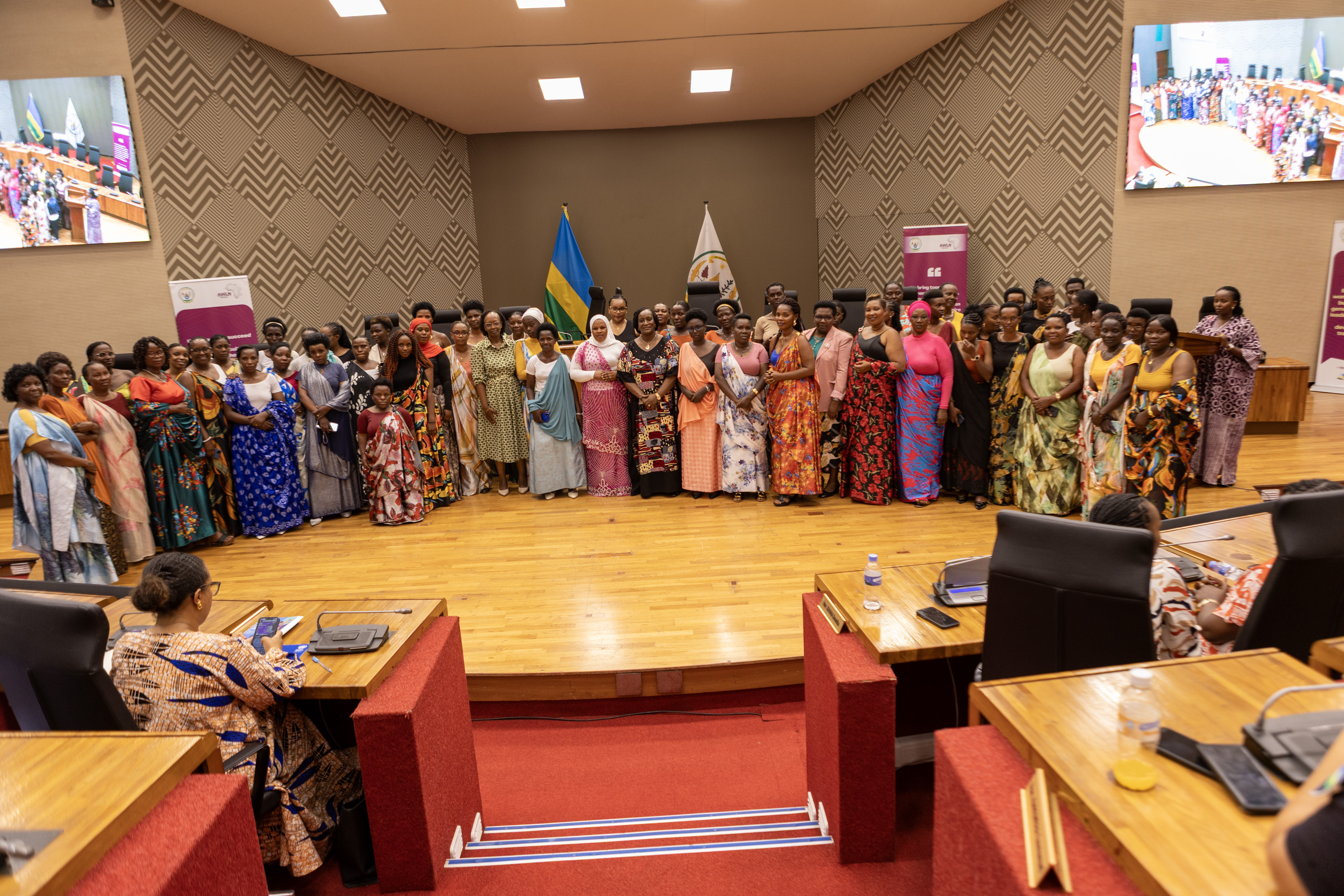
Sustaining the momentum of women’s empowerment for a stronger Rwanda
As Rwanda joined the global community on March 8, 2026, to commemorate International Women’s Day, the country embarked on a month-long celebration…
Minister Consolée Uwimana calls for hygiene culture as she launches “Fresheri Ku Ishuri” in Musanze
On 12 January 2026, the Minister of Gender and Family Promotion, Hon. Consolée Uwimana, launched the “Fresheri Ku Ishuri” (Freshness at School)…

Rwanda marks 16 Days of Activism with a call to build violence-free families
From November 25 to December 10, Rwanda joined the global community in observing the 16 Days of Activism Against Gender-Based Violence (GBV), a…