The fight against GBV concerns every Rwandan

Kigali, 10 December 2021-Each year, following the International Day for the Elimination of Violence Against Women, on 25 November, The UN observes ‘16 days of Activism against Gender-Based Violence.’ This period aims to draw attention to a stain on the global consciousness: nearly one out of every three women in the world has been abused during their lifetime.
As the campaign concludes, it is time to take stock of what our country has achieved. Though Rwanda’s government has set a pace in the fight against, including criminalising GBV in 2008 and an anti-GBV policy introduced in 2011, GBV remains a widespread problem in the country.
Women remain the primary victims. According to the Rwanda’s Demographic and Health Survey report published by the National Institute of Statistics (2019/20); 37% of women and girls who are aged between 15-49, had experienced physical or sexual, or psychological violence. The corresponding proportions among men are 30%. The same report indicated that 46% of ever-married women and 18% of ever-married men have experienced spousal, physical, sexual, or emotional violence. Although not as widespread, violence against men exists in Rwanda, and male victims should not be ignored. We should all feel concerned and ready to fight it as a society.
Each of these cases is preventable, and government institutions are working jointly and tirelessly to prevent violence and seek justice for victims. The most crucial step is preventing violence and achieving this, education is vital. Beyond schools, community education and participative sensitisation campaigns are key pillars of the government's strategy. Grassroots, community-based initiatives like the Umugoroba w’Imiryango (Families Evening Forum), Inteko z’abaturage, and Umuganda, help spread messages to breakdown stigmas around GBV and its warning signs.
There have been anti-GBV campaigns in the media, including on TV and Radio, and it helped bring the topic into everyday discussions. In addition, religious leaders and non-governmental institutions are important partners in the fight against GBV.
These initiatives are producing results. Notably, the GBV statistics generally show increases in the number of cases reported, which reflects that victims are becoming less likely to hide their abuses – a positive step in the road to eliminating abuse.
Once these cases have been reported, it is essential that they be dealt with appropriately. Since their inception in 2009, there are now 44 Isange One Stop Centres (IOSC) around the country – one in each district hospital. Isange One Stop Centres provide 24/7, free support to victims and recognise their wide-ranging needs, including medical, psychological, legal, investigation, and accommodation support and ensure the smooth community reintegration of victims because victims should not be defined by their experience violence.
The government has also put in place a concept of safe shelter for GBV victims, which further expands the available protective options for victims and those at risk.
Finally, we are seeking justice for victims. The Rwanda Investigation Bureau (RIB) and Legal System is investing considerable resources to ensure that the perpetrators of GBV are dealt with appropriately. This includes using new technologies to detect, facilitate investigative processes , and respond to emerging threats. In 2020 alone, the RIB investigated 12,715 cases of GBV.
The government recognises that a multi-sectorial approach is necessary to end gender-based violence in our society. The government of Rwanda have taken decisive actions on this front and will continue to do so in the future to ensure that all residents are safe, can speak out freely against perpetrators and get justice on time. We will not stop until these goals have been met.
Topics

MIGEPROF calls for stronger home-school partnerships to support holistic child development
Kigali, 7 July 2026 - The Permanent Secretary Mireille BATAMULIZA, joined parents, educators, child development practitioners, and partners at the…

Minister Consolée Uwimana inaugurates Early Childhood Development Centre at Mutobo and calls for child protection
Kigali, 3 July 2026 – Minister of Gender and Family Promotion, Consolée Uwimana, officially inaugurated the Early Childhood Development (ECD) Centre…

MIGEPROF Calls on youth to take action in preventing and ending eeenage pregnancy
Kigali, 26 June - Youth representatives from all districts across Rwanda gathered in a Youth Forum to discuss strategies for preventing and ending…

MIGEPROF and partners intensify national campaign to prevent child defilement in Rulindo and Musanze Districts
Kigali, 19 June 2026 – As part of the nationwide campaign to prevent and combat child defilement, running from 25 May to 30 June 2026, the Ministry of…
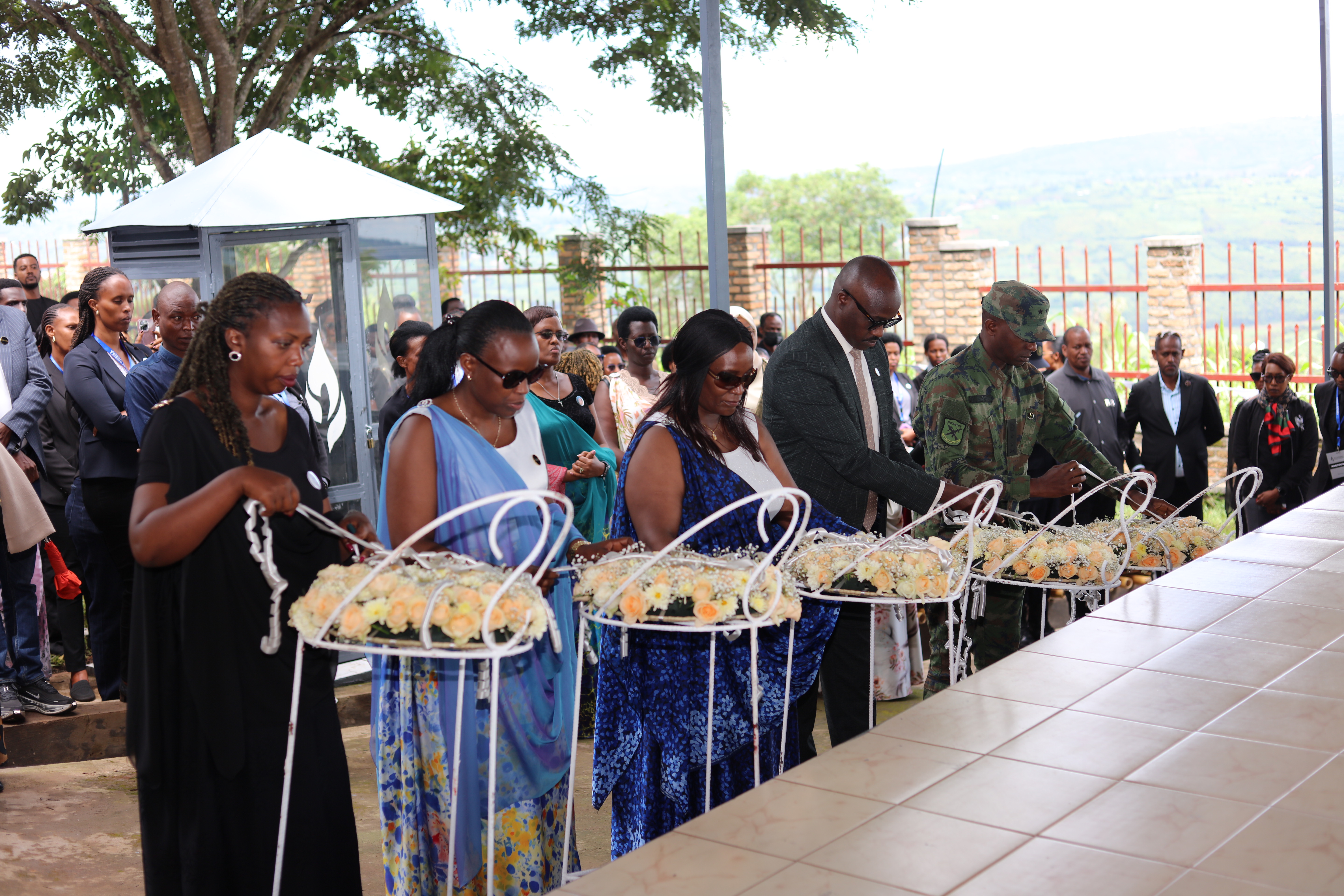
Minister Uwimana calls on citizens to fight genocide ideology
On 18 April 2026, Minister of Gender and Family Promotion, Hon. Consolée Uwimana, joined residents of Mwulire Sector in Rwamagana District for the…
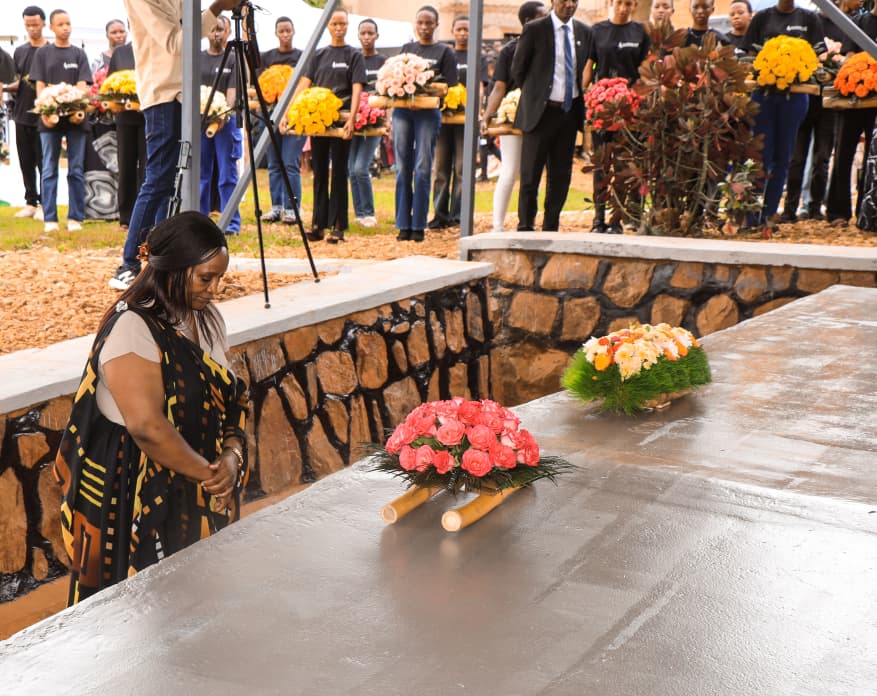
Minister Uwimana urges youth to reject genocide ideology and protect Rwanda’s unity
On 11 April 2026, Minister of Gender and Family Promotion, Hon. Consolée Uwimana, joined residents of Muyumbu Sector in Rwamagana District for the 32n…
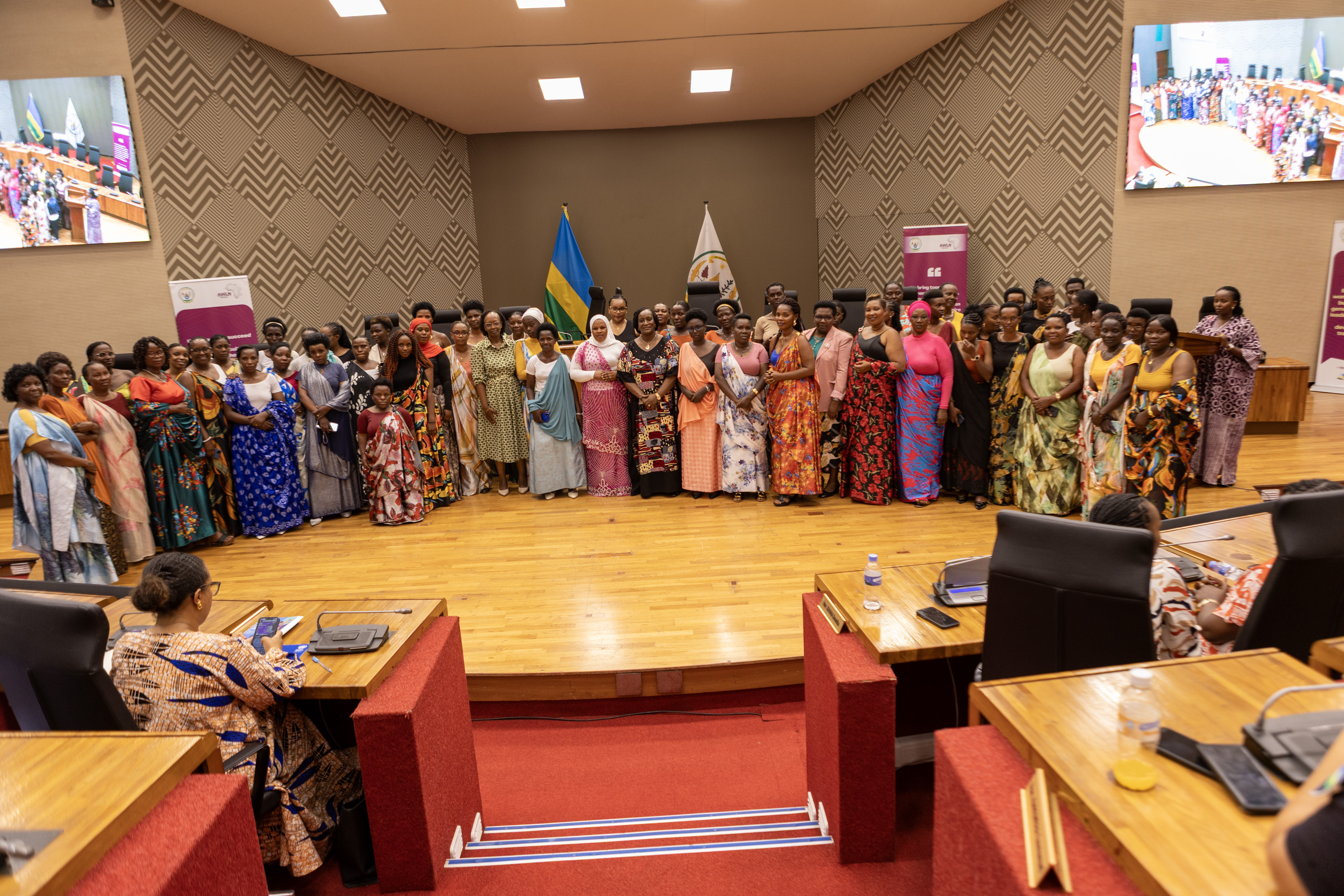
Sustaining the momentum of women’s empowerment for a stronger Rwanda
As Rwanda joined the global community on March 8, 2026, to commemorate International Women’s Day, the country embarked on a month-long celebration…
Minister Consolée Uwimana calls for hygiene culture as she launches “Fresheri Ku Ishuri” in Musanze
On 12 January 2026, the Minister of Gender and Family Promotion, Hon. Consolée Uwimana, launched the “Fresheri Ku Ishuri” (Freshness at School)…

Rwanda marks 16 Days of Activism with a call to build violence-free families
From November 25 to December 10, Rwanda joined the global community in observing the 16 Days of Activism Against Gender-Based Violence (GBV), a…