Rwanda’s Statement At The Commission On The Status Of Women (CSW62)
The Chair of the 62nd Commission on the Status on Women, Excellences, Ladies and Gentlemen All protocols observed; On behalf of the Government of Rwanda, I wish to extend my congratulations to the Chair and the entire Bureau for the organization of the 62nd Commission on the Status of Women. Ladies and Gentlemen, the theme of this session brings in the debate two important categories of our population: Rural women and girls. Both deserve our special attention as we envision to accelerate a development that will leave no one behind. The Rwanda vision 2020 has consacrated inclusiveness, socio-cohesion, equality and equity as its overaching strategies for prosperity and growth. In this context strategies to empower rural women and girls were implemented and yielded tangible results. This gives hope that in the near future, the 2 categories will drive the social economic growth and community tranformation.This anticipation is supported by indicators that are clearly pointing to a tremendous change witnessed in different sectors and benefiting rural women and girls. One of the illustration of this trend is the community tranformation brought by the land reform allowing men and women to equally own and control land or other familial property. Using land as a collateral is one of the factors that increased women’s access to finance. With the above strategies and other contributing factors, rural women accesing formal financial services have almost doubled in 4 years from 36.1 % in 2012 to 63% in 2016. In the same vein, new technolgies especially the high penetration of mobile phones in the rural community contributed to accelerate rural women’s capacity to make financial transactions and faciliated doing business with 33% of women having and using mobile money accounts in 2016. In the health sector, key flagship initiatives that impacted women ‘s lives are family planning and maternal health programmes. The average number of children per woman has reduced from 6.15 to 4 today; which has opened up space for women to participate more in the labor force, reduced maternal motality from 1071 in 2000 to 210/100,00 in 2014/15 hence contributing to a better health for women . The use of new thechnoogy of RPD SMS by community health workers, the introduction of drones to deliver blood in remote areas are some of other factors contributing to improved timely access to health services in rural areas. Ladies and gentle men, The high commitment of Rwanda’s leadership through a transformative vision has led to the outstanding achievements and anchored success stories including 64% women’s representation in Parliament, 46.7% of female ministers, 50% Supreme Court Judges, a trend that has provided space for women to echo their voices and advance gender equality and women’s empowerment agenda. At local level, rural women have been encouraged to participate in decentralized entities bringing their representation to 43% in district councils, 48% in sector councils and 34.5% in cells councils. All this testify efforts that the country deploys to ensure that a continuous systematic inclusion of men and women is entrenched at all levels in the governing structures. As women embrace leadership and economic roles, the Government adopted the Early Childhood Development Policy that guarantees positive parenting for children while creating time for their mothers to contribute to other community roles. In the same trend, the government introduced a madatory universal education policy that contributed to ensure that all Rwandan children are at school. Similarly, the implementation of girl’s education policy contributed to putting in place affirmative actions establishing girls friendly environment that contributed to the retention and better performace of young girls while promoting their participation in non traditional courses like STEM. Ladies and gentle men, Though much have been attained, there is still exist some challenges affecting rural women and girls. These include unpaid carework, limited mobility and access to economic opportunities, feminized poverty, and gender based violence. As we move forward, the Government of Rwanda is very much committed to continue raising the skills and knowhow for women within key economic sectors such as agro-processing, Technical and Vocational Education & Training; and, we believe that this will help create more opportunities for financial independence and the emancipation of Women and Girls living in rural areas. To conclude, let me once again reaffirm the commitment of the Government of Rwanda to advance the socio-economic transformation of Rwandan rural women and girls. I wish to call everyone to join efforts and create a more equitable environment as we advance gender equality and women’s empowerment in our rural communities. I thank you for your kind attention.
Topics

MIGEPROF calls for stronger home-school partnerships to support holistic child development
Kigali, 7 July 2026 - The Permanent Secretary Mireille BATAMULIZA, joined parents, educators, child development practitioners, and partners at the…

Minister Consolée Uwimana inaugurates Early Childhood Development Centre at Mutobo and calls for child protection
Kigali, 3 July 2026 – Minister of Gender and Family Promotion, Consolée Uwimana, officially inaugurated the Early Childhood Development (ECD) Centre…

MIGEPROF Calls on youth to take action in preventing and ending eeenage pregnancy
Kigali, 26 June - Youth representatives from all districts across Rwanda gathered in a Youth Forum to discuss strategies for preventing and ending…

MIGEPROF and partners intensify national campaign to prevent child defilement in Rulindo and Musanze Districts
Kigali, 19 June 2026 – As part of the nationwide campaign to prevent and combat child defilement, running from 25 May to 30 June 2026, the Ministry of…
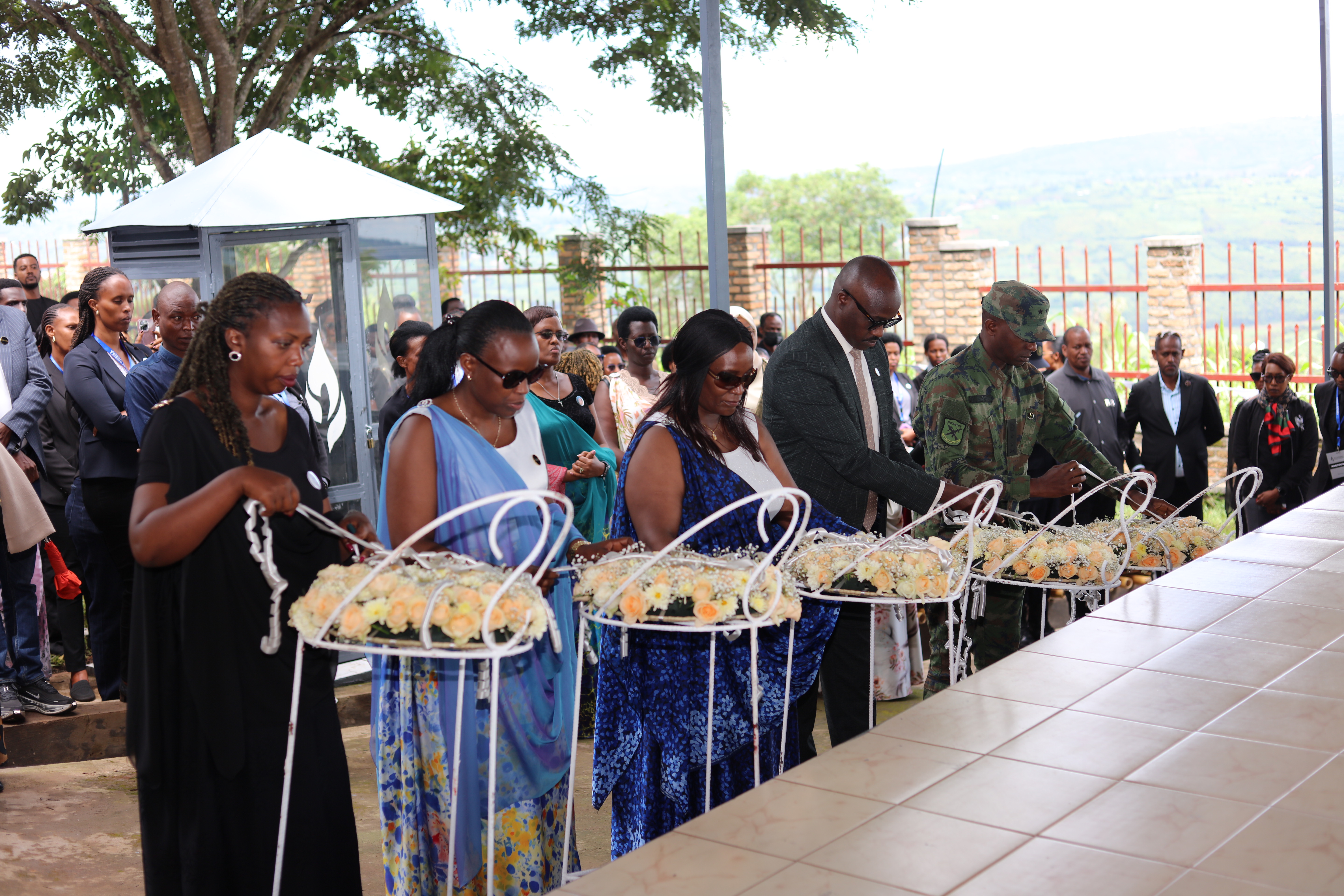
Minister Uwimana calls on citizens to fight genocide ideology
On 18 April 2026, Minister of Gender and Family Promotion, Hon. Consolée Uwimana, joined residents of Mwulire Sector in Rwamagana District for the…
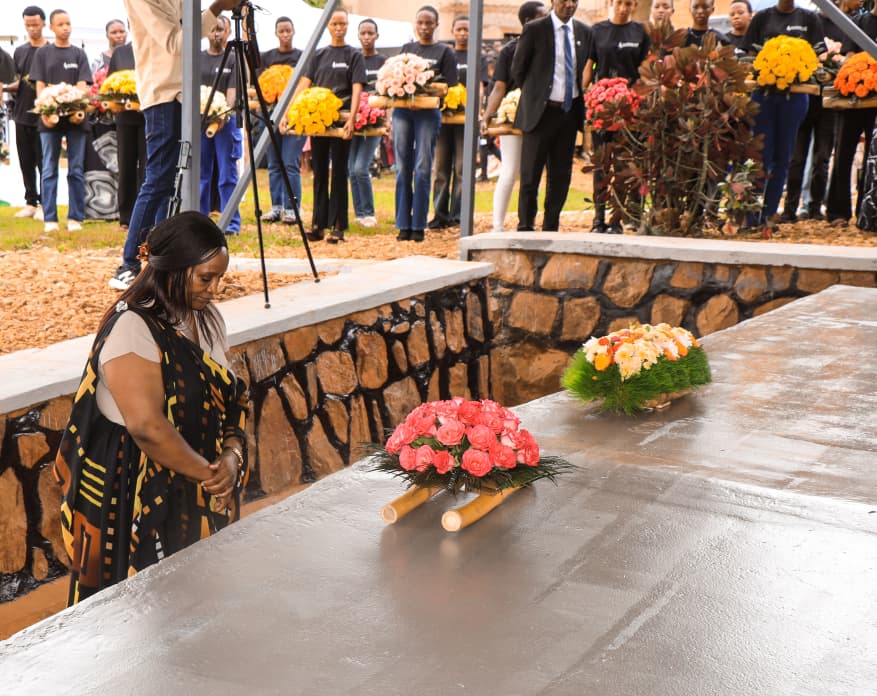
Minister Uwimana urges youth to reject genocide ideology and protect Rwanda’s unity
On 11 April 2026, Minister of Gender and Family Promotion, Hon. Consolée Uwimana, joined residents of Muyumbu Sector in Rwamagana District for the 32n…
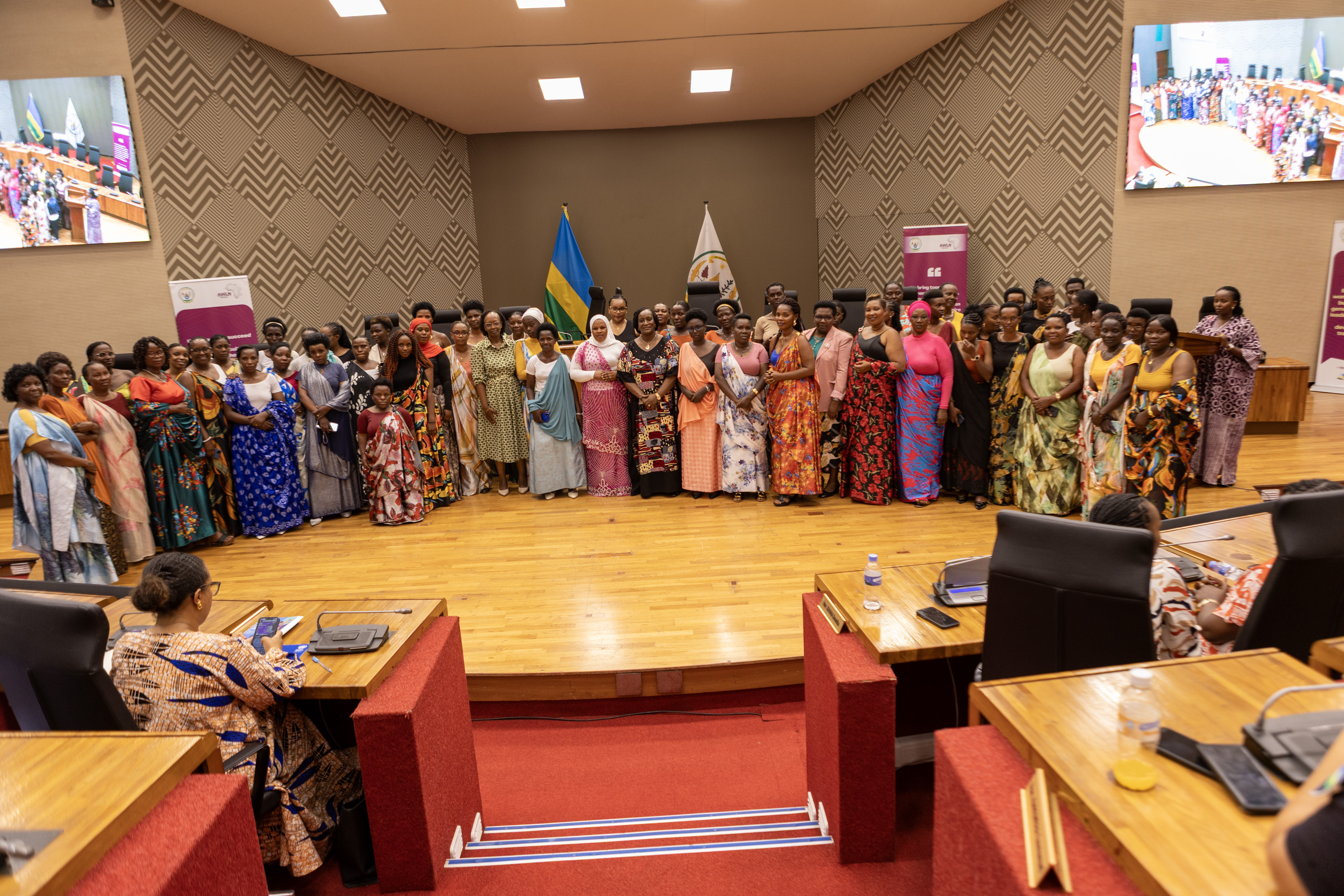
Sustaining the momentum of women’s empowerment for a stronger Rwanda
As Rwanda joined the global community on March 8, 2026, to commemorate International Women’s Day, the country embarked on a month-long celebration…
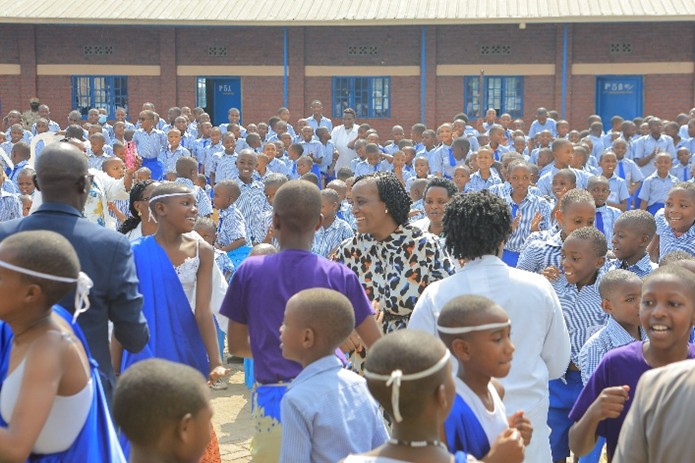
Minister Consolée Uwimana calls for hygiene culture as she launches “Fresheri Ku Ishuri” in Musanze
On 12 January 2026, the Minister of Gender and Family Promotion, Hon. Consolée Uwimana, launched the “Fresheri Ku Ishuri” (Freshness at School)…

Rwanda marks 16 Days of Activism with a call to build violence-free families
From November 25 to December 10, Rwanda joined the global community in observing the 16 Days of Activism Against Gender-Based Violence (GBV), a…