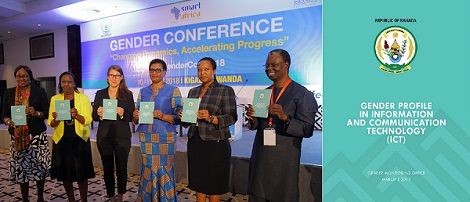
Rwanda launches ‘The Gender Profile in Information, Communication and Technology booklet’
Topics

MIGEPROF calls for stronger home-school partnerships to support holistic child development
Kigali, 7 July 2026 - The Permanent Secretary Mireille BATAMULIZA, joined parents, educators, child development practitioners, and partners at the…

Minister Consolée Uwimana inaugurates Early Childhood Development Centre at Mutobo and calls for child protection
Kigali, 3 July 2026 – Minister of Gender and Family Promotion, Consolée Uwimana, officially inaugurated the Early Childhood Development (ECD) Centre…

MIGEPROF Calls on youth to take action in preventing and ending eeenage pregnancy
Kigali, 26 June - Youth representatives from all districts across Rwanda gathered in a Youth Forum to discuss strategies for preventing and ending…

MIGEPROF and partners intensify national campaign to prevent child defilement in Rulindo and Musanze Districts
Kigali, 19 June 2026 – As part of the nationwide campaign to prevent and combat child defilement, running from 25 May to 30 June 2026, the Ministry of…
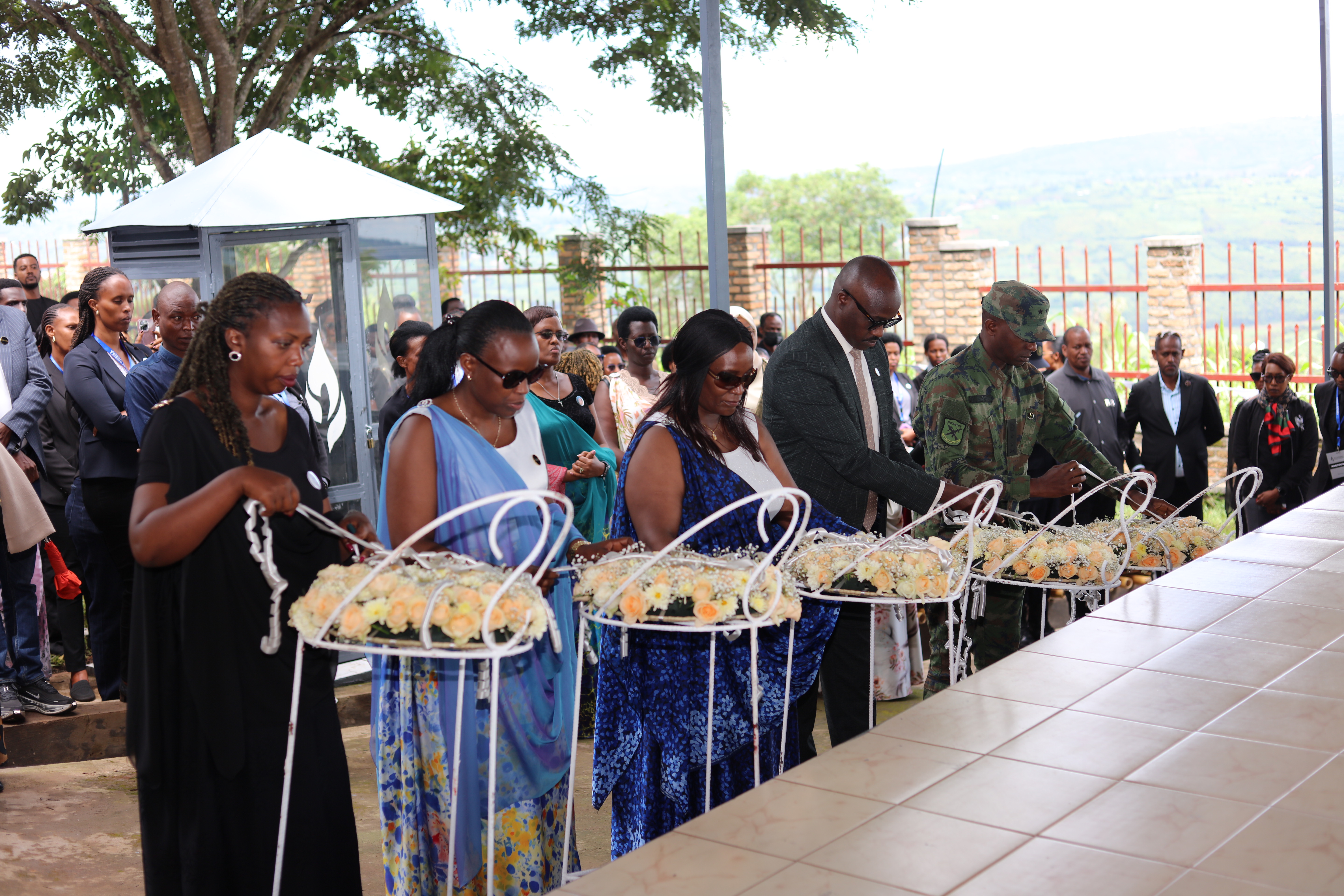
Minister Uwimana calls on citizens to fight genocide ideology
On 18 April 2026, Minister of Gender and Family Promotion, Hon. Consolée Uwimana, joined residents of Mwulire Sector in Rwamagana District for the…
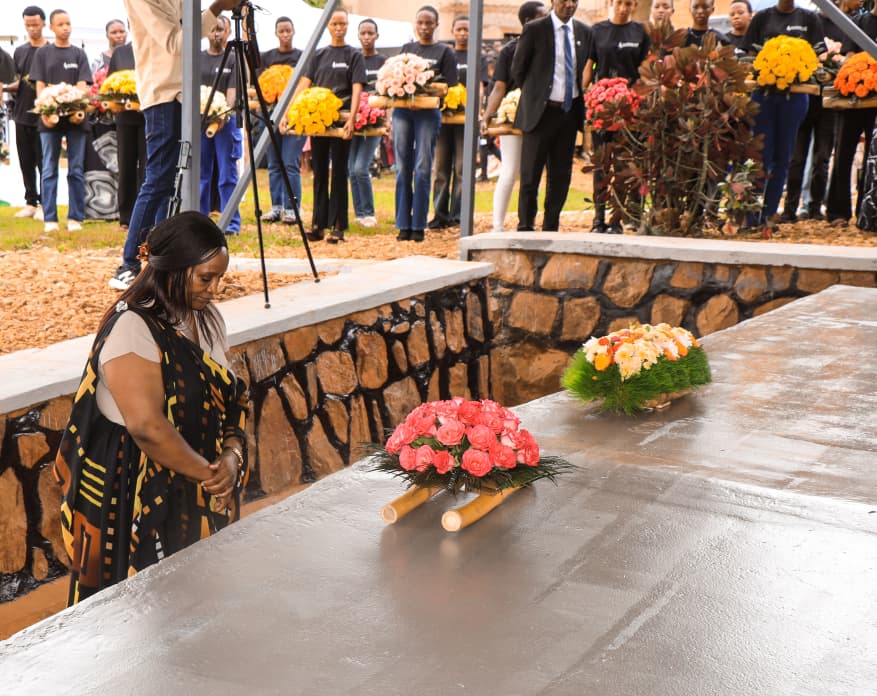
Minister Uwimana urges youth to reject genocide ideology and protect Rwanda’s unity
On 11 April 2026, Minister of Gender and Family Promotion, Hon. Consolée Uwimana, joined residents of Muyumbu Sector in Rwamagana District for the 32n…
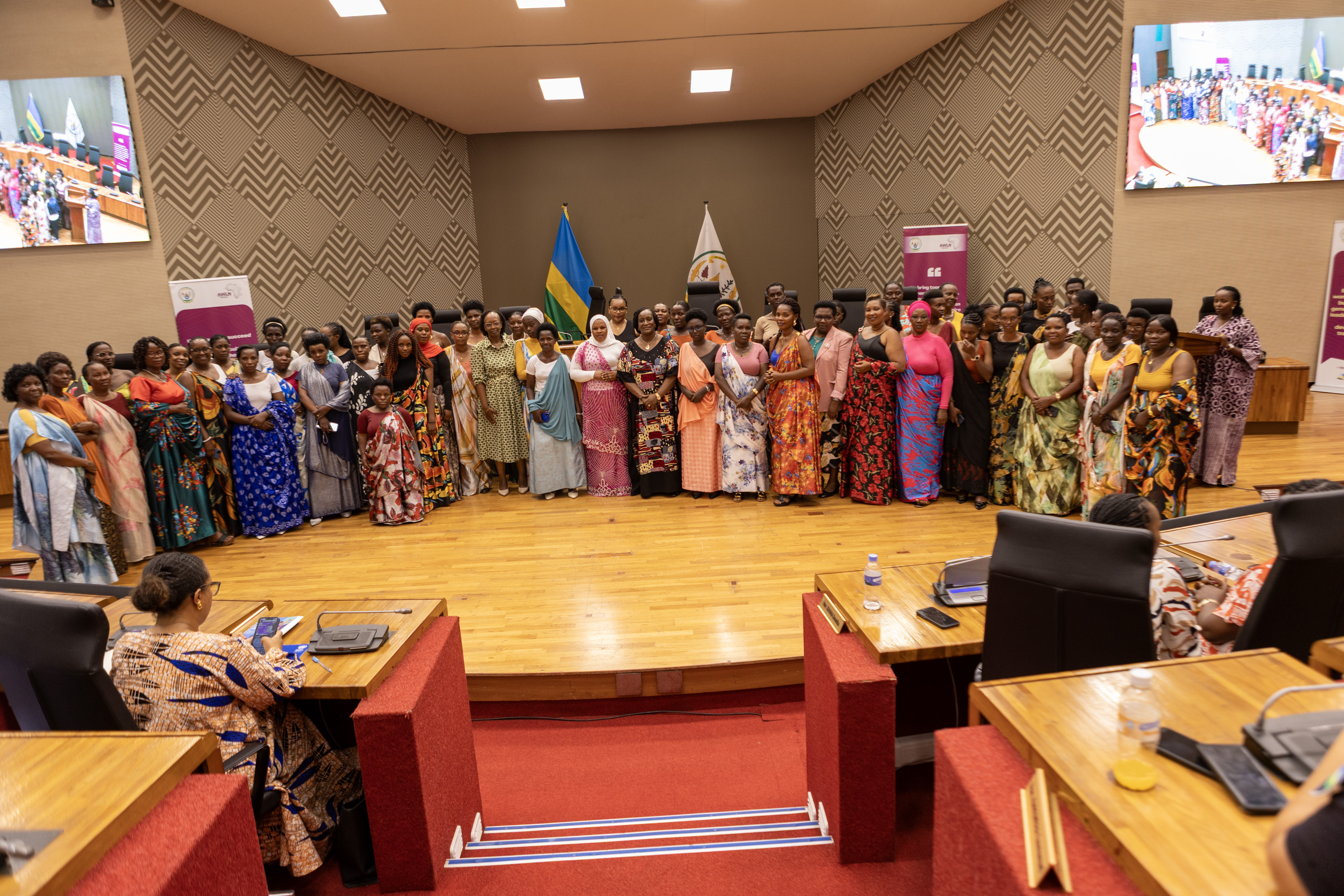
Sustaining the momentum of women’s empowerment for a stronger Rwanda
As Rwanda joined the global community on March 8, 2026, to commemorate International Women’s Day, the country embarked on a month-long celebration…
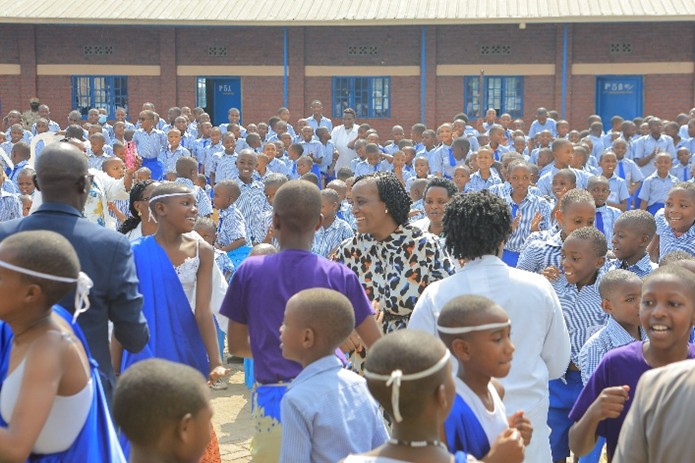
Minister Consolée Uwimana calls for hygiene culture as she launches “Fresheri Ku Ishuri” in Musanze
On 12 January 2026, the Minister of Gender and Family Promotion, Hon. Consolée Uwimana, launched the “Fresheri Ku Ishuri” (Freshness at School)…

Rwanda marks 16 Days of Activism with a call to build violence-free families
From November 25 to December 10, Rwanda joined the global community in observing the 16 Days of Activism Against Gender-Based Violence (GBV), a…